








Creating a home office that feels both cozy and productive can significantly improve your work-from-home experience. When your workspace is comfortable and organized, it inspires focus and helps you maintain motivation throughout the day. Whether you are setting up a new home office or refining your current space, these tips will guide you in crafting an environment that supports your best work.
Choose the Right Location
Finding the ideal spot for your home office is the first step. Consider a space that offers:
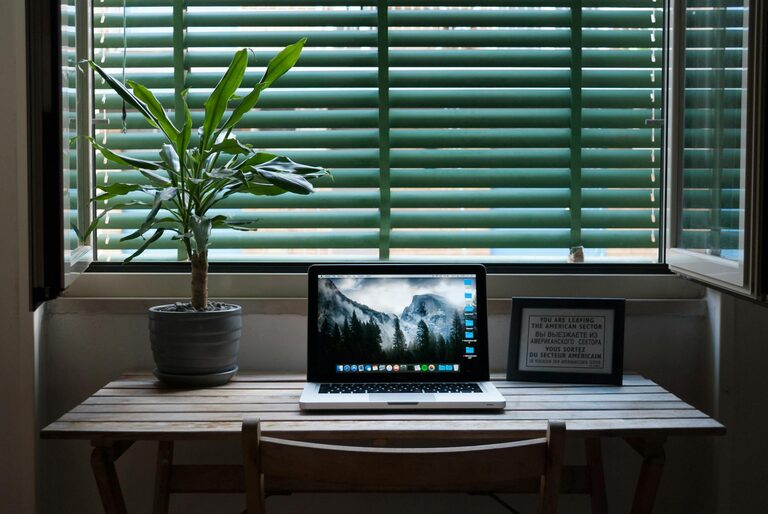
– Natural Light: Position your desk near a window to enjoy sunlight, which can boost mood and energy.
– Quietness: Select a quieter corner or room to minimize distractions and noise.
– Space: Ensure sufficient room for your desk, chair, and any additional equipment or storage.
If dedicated space is limited, repurposing a section of a less-used room or creating a partition can help delineate your workspace.
Invest in Comfortable and Functional Furniture
Your furniture directly impacts comfort and productivity.
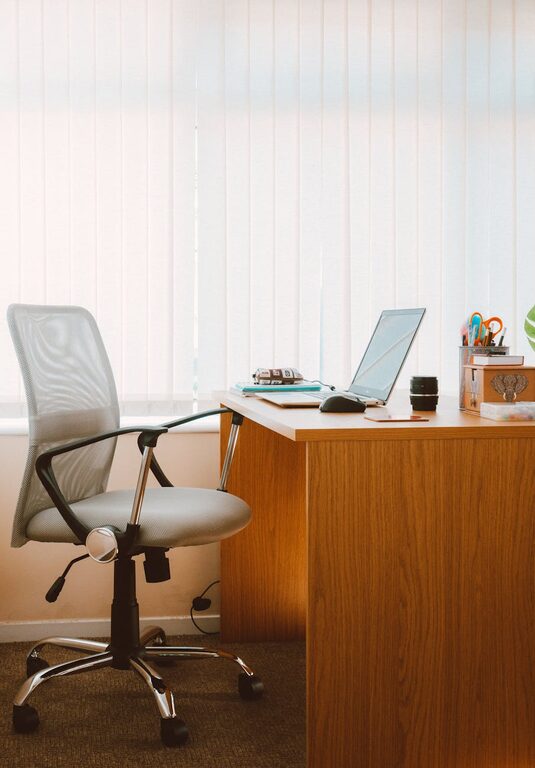
– Ergonomic Chair: A supportive chair reduces strain on your back and neck, allowing longer periods of focused work.
– Desk Size and Height: Choose a desk that fits your workflow — ample surface area for your computer, documents, and other essentials. Adjustable desks can offer the option to alternate between sitting and standing.
– Storage Solutions: Incorporate shelves, drawers, or filing cabinets to keep your office supplies organized and within reach.
Remember, comfort promotes productivity, so investing in quality furniture is worthwhile.
Create an Organized and Clutter-Free Space
Maintaining an organized desk and office helps keep your mind clear.
– Declutter Regularly: Remove unnecessary items from your workspace daily or weekly.
– Use Organizers: Drawer dividers, pen holders, and cable management tools can prevent mess.
– Digital Organization: Keep your digital files and emails sorted with folders and labels to reduce digital clutter.
A tidy environment reduces distractions and fosters a more efficient workflow.
Personalize Your Workspace
Adding personal touches can make your home office feel inviting and boost your mood.
– Decor: Add art, inspirational quotes, or colorful accents that motivate you.
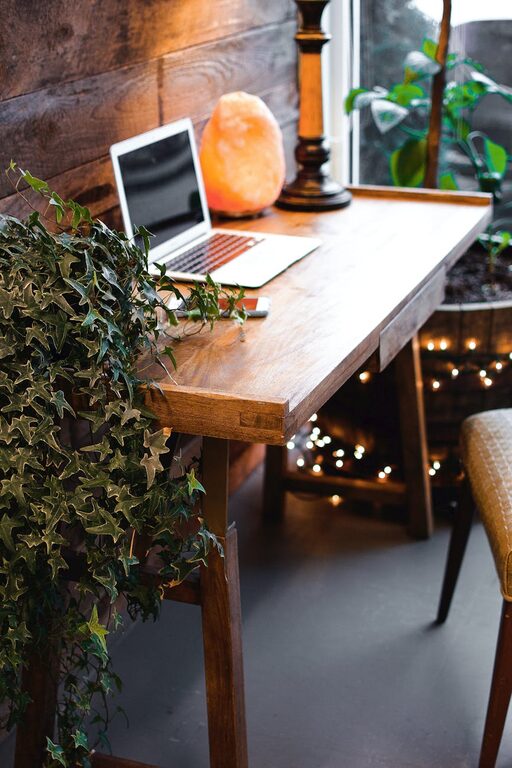
– Plants: Indoor plants enhance air quality and add a natural element that calms and refreshes.
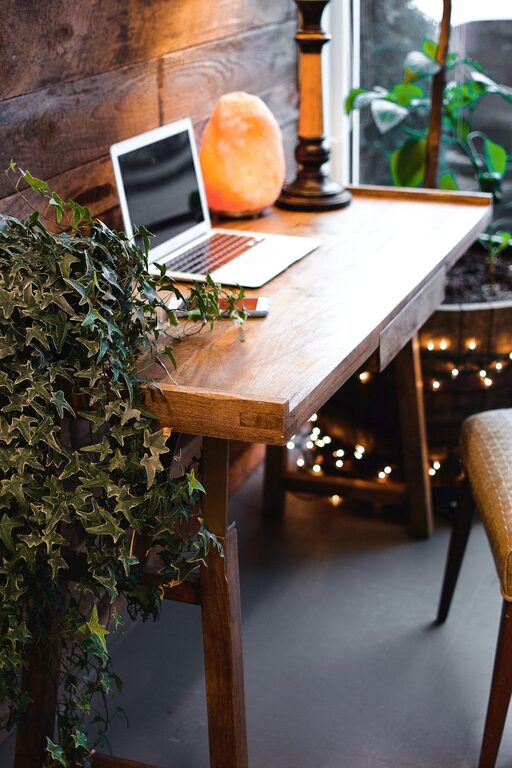
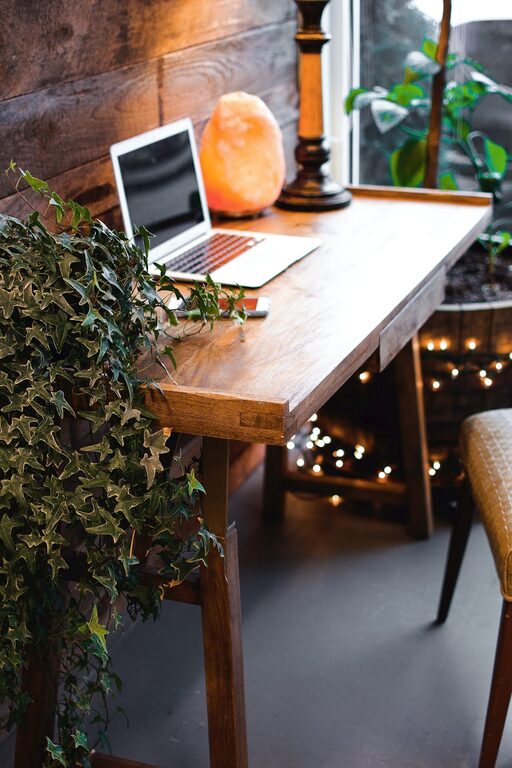
– Lighting: Use warm desk lamps or string lights to create a cozy atmosphere. Avoid harsh overhead lighting when possible.
Personalization helps create a space you look forward to working in every day.
Optimize Lighting
Good lighting is essential for reducing eye strain and maintaining focus.
– Natural Lighting: Maximize daylight but position screens to avoid glare.
– Task Lighting: Use adjustable desk lamps for focused work during evening hours.
– Ambient Lighting: Soft overhead or wall lighting can create a balanced environment.
Consider bulbs with adjustable brightness or color temperatures to suit different tasks and times of day.
Minimize Distractions
Controlling distractions improves concentration and efficiency.
– Noise Control: Use noise-canceling headphones or white noise machines if ambient sounds are an issue.
– Limit Interruptions: Set clear boundaries with family or roommates about your work hours.
– Digital Discipline: Turn off non-essential notifications and use website blockers if needed.
Establishing a focused work mode helps you maintain productivity throughout the day.
Establish a Routine
Setting a daily schedule supports good work habits and a healthy work-life balance.
– Consistent Hours: Start and finish work at the same times each day.
– Breaks: Take regular short breaks to rest your eyes and move your body.
– Workspace Etiquette: Enter and exit your home office area as you would a traditional office to signal work time.
Routines build structure, making remote work feel more professional and manageable.
Incorporate Ergonomic Accessories
Small ergonomic accessories can make a big difference.
– Keyboard and Mouse: Use ergonomic versions that reduce wrist strain.
– Monitor Stand: Raise your screen to eye level to improve posture.
– Footrest: Supports your legs and reduces fatigue.
Ergonomics promote comfort and can prevent long-term physical issues.
—
In Summary
A cozy and productive home office is attainable with thoughtful planning and attention to comfort, organization, and personalization. By choosing the right location, investing in ergonomic furniture, minimizing distractions, and establishing routines, you can create a workspace that inspires focus and supports your best work. Remember, the goal is a balance between comfort and functionality — a space where you feel motivated and at ease every day.
Start with small changes, and gradually adapt your office to fit your work style and preferences. Your ideal home office awaits!