










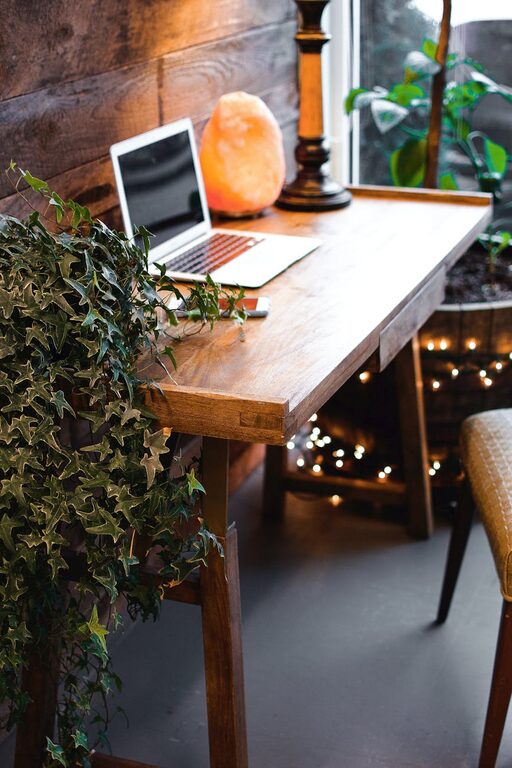
Creating a cozy and inviting home workspace can make a big difference in your comfort, focus, and productivity. Whether you work from home full-time or need a dedicated space for occasional projects, designing an environment where you enjoy spending time helps you stay motivated and efficient. In this post, we’ll explore practical tips for turning any space into a warm, welcoming, and functional home office.
Choose the Right Location
Finding the best spot for your workspace is the first step.
– Natural light: Aim for a location near a window to take advantage of natural daylight. Sunlight boosts mood and reduces eye strain. If windows aren’t available, invest in good-quality, adjustable artificial lighting.
– Quiet corner: Select a quiet part of your home where distractions are minimal. Avoid high-traffic areas near the kitchen or living room if possible.
– Space and layout: Make sure your workspace fits your desk, chair, and equipment comfortably. Allow room for movement so it doesn’t feel cramped.
Invest in Comfortable and Supportive Furniture
Your furniture impacts both comfort and posture during work hours.
– Ergonomic chair: Choose a chair with adjustable height, back support, and cushioning. Sitting comfortably helps prevent back pain and fatigue.
– Functional desk: Select a desk size and height that suit your work needs and space. Standing desks or adjustable desks can offer flexibility and encourage movement.
– Support accessories: Consider footrests or laptop stands for optimal posture.
Personalize with Warm and Inviting Decor
Adding personal touches can make your workspace feel welcoming and boost creativity.
– Color palette: Use calming colors such as soft blues, greens, or neutrals. Warm tones like beige or muted yellows can add coziness without being distracting.
– Plants: Indoor plants improve air quality and provide a natural, soothing atmosphere. Easy-to-care-for plants like pothos or succulents are good options.
– Artwork and photos: Decorate your walls with inspiring artwork or photos that make you happy and motivated.
– Textiles: Include soft rugs, cushions, or throws to add warmth and texture. These can make a hard chair or cold floor feel more comfortable.
Organize Efficiently to Reduce Clutter
A clutter-free environment helps maintain focus and reduces stress.
– Storage solutions: Use shelves, filing cabinets, or desk organizers to keep supplies tidy. Label boxes and drawers to find things easily.
– Cable management: Use clips or sleeves to organize cords and prevent tangling.
– Daily clean-up: Spend a few minutes at the end of each day tidying your desk and putting items back in place.
Enhance Lighting and Sound
Proper lighting and sound control contribute to a pleasant work environment.
– Layered lighting: Combine overhead lighting with task lamps to reduce shadows and strain.
– Adjustable brightness: Use dimmable lights or smart bulbs to customize lighting based on the time of day.
– Sound control: Use noise-canceling headphones if necessary or add soft fabrics and rugs to absorb excess noise.
– Background sounds: Some people work better with soft background music or ambient sounds. Experiment to find what works best for you.
Incorporate Technology Thoughtfully
Technology can streamline your work but should be integrated thoughtfully.
– Monitor setup: Use at least one large monitor, positioned at eye level, to avoid neck strain.
– Keyboard and mouse: Choose wireless peripherals if possible to reduce clutter and improve ergonomics.
– Reliable internet: Ensure your workspace has strong Wi-Fi or a wired connection to avoid interruptions.
– Charging stations: Set up designated spots for charging your devices to keep cords organized and accessible.
Create Boundaries and Rituals
Establishing routines and boundaries helps separate work time from personal life, especially at home.
– Defined workspace: Keep your work materials confined to your designated area to create a mental boundary.
– Start and end rituals: Develop habits like clearing your desk at the end of the day or starting work with a brief planning session.
– Break reminders: Use timers or apps to remind yourself to take regular breaks, stretch, or step outside.
Final Thoughts
A cozy and inviting home workspace is not only about aesthetics but also about functionality and comfort. By selecting the right location, investing in supportive furniture, personalizing decor, keeping your space organized, managing lighting and sound thoughtfully, integrating technology, and setting boundaries, you can create an environment that enhances your work experience. Remember, your workspace should reflect your needs and preferences, so feel free to experiment with these tips and adjust until it feels just right. Happy working!